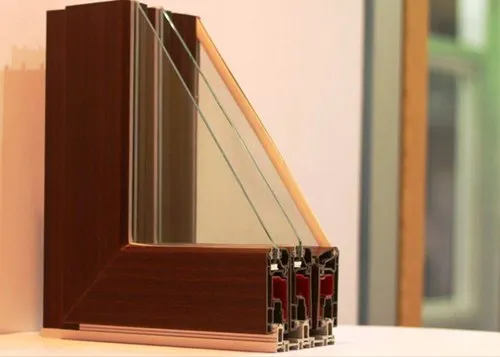
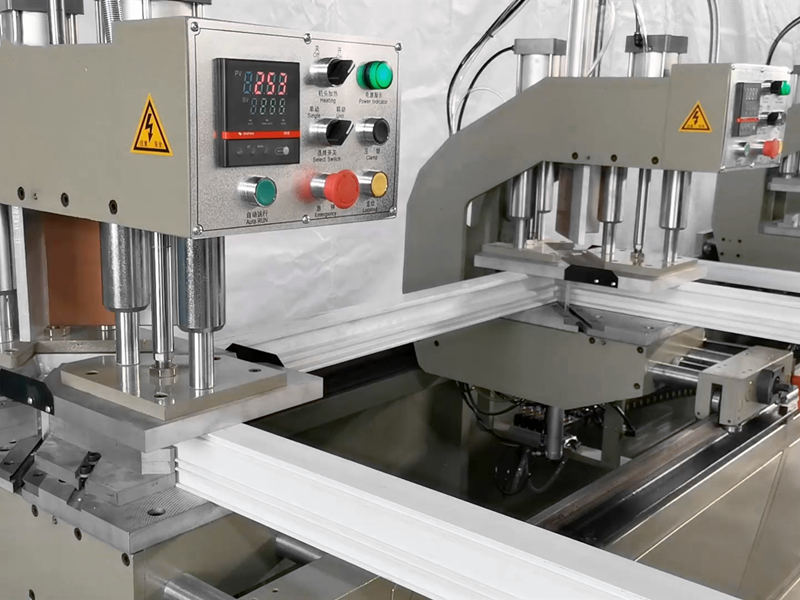
Fusion welded joints in uPVC windows are formed by melting and fusing two or more pieces of material using high heat and pressure. Common types of fusion welded joints include butt joints, lap joints, and corner joints. The process requires specialized equipment and skilled technicians to ensure precision and strength. In the production of windows and doors, fusion welding is a widely used technique for joining pieces of PVC or uPVC, creating a smooth, strong, and seamless bond. During the process, the ends of the material are heated until they melt, then pressed together, and allowed to cool and solidify, resulting in a connection that is both airtight and watertight. This method effectively prevents dust, debris, and moisture from entering the joint. One of the main advantages of fusion welded joints is their exceptional strength and durability, making them ideal for windows and doors exposed to various weather conditions. These joints resist warping, twisting, and deformation, common issues in traditional wooden or standard vinyl frames. Additionally, fusion welded joints offer a clean, modern appearance with nearly invisible seams, enhancing the overall aesthetic of windows and doors, which is especially beneficial in commercial and architectural projects where visual appeal is important.