UPVC WINDOWS & DOORS · SYSTEM ALUMINIUM · ABS DOORS

Profile Discoloration in UPVC Windows
CHARAN WINDOWS / PRODUCT COLLECTION

Profile Discoloration

Explore product details ↘
PRODUCT DETAILS

profile discoloration

The term “Profile Discoloration in UPVC Windows” describes the fading or discoloration of the window profile, which is the framing of the window. This may occur as a result of UV radiation exposure as well as other environmental conditions such heat, humidity, and pollution. The usage of some kinds of materials, such PVC, which are more prone to discoloration over time, can also result in discoloration.

Explore Details
Profile Discoloration in UPVC Windows
Profile Discoloration
01

profile discoloration

Profile Discoloration in UPVC Windows

The appearance and attractiveness of the window might be impacted by discoloration, making it appear dated and worn. Additionally, it may cause the frame to distort and crack, which may compromise the strength and functionality of the window.

Certain kinds of windows, particularly those constructed from PVC (polyvinyl chloride) or uPVC, are more prone to developing a problem known as Profile Discoloration in UPVC Windows. This problem can be quite unsightly (unplasticized polyvinyl chloride). The term “Profile Discoloration in UPVC Windows” refers to a change in colour or appearance of the window frame that can take place over time as a result of exposure to UV radiation and other environmental conditions. This change can take place as a result of “profile-discoloration.” Exposure to UV light is one of the primary factors that contribute to the darkening of the profile. PVC and uPVC are both susceptible to damage from ultraviolet (UV) rays, which causes the material to deteriorate and change colour over time. This can lead to an ugly discoloration that can have an effect on the appearance of the window as well as the visual quality of the building as a whole. Exposure to chemicals is another another factor in the development of profile discolouration. Windows made of PVC and uPVC can become discoloured if they come into contact with certain substances, such as chlorine. This may happen if the windows are located in close proximity to sources of chlorine, such as swimming pools, hot tubs, or other water-based recreational facilities. It is essential to select windows that are built from materials that are resistant to the effects of UV light and chemicals if one want to avoid Profile Discoloration in UPVC Windows. Some companies sell windows that are laminated with a coating that is resistant to the effects of ultraviolet light, while others construct their windows from materials such as aluminium or fibreglass, which are less likely to become discoloured with time.

Manufacturers may utilise UV-resistant materials and coatings or coat the frame with a protective coating to prevent or reduce profile yellowing. Additionally, routine window frame cleaning and maintenance might aid in slowing the fading process.


02

Explanation of profile discoloration in windows

Profile discoloration in windows can be caused by various factors, including exposure to sunlight, moisture, or chemical reactions with certain materials. It is a common problem that affects many types of windows, including vinyl, wood, and aluminum.One of the main causes of profile discoloration in windows is exposure to sunlight. Over time, ultraviolet (UV) rays from the sun can cause the window frame to fade or discolor, particularly in areas that are directly exposed to sunlight. This discoloration is often seen as a yellowing or browning of the window frame.

Another cause of profile discoloration in windows is moisture. When windows are exposed to moisture, particularly over extended periods of time, it can cause the materials to discolor or become discolored. This is often seen as a green or black discoloration on the window frame, particularly in areas that are prone to moisture, such as around the edges of the window.

03

Importance of addressing profile discoloration

Aesthetics: Discoloration on the face or any other part of the body can be unsightly and can affect a person’s self-esteem and confidence. By addressing discoloration, a person can improve their appearance and feel better about themselves.

Health concerns: Discoloration can sometimes be a sign of an underlying health issue, such as an autoimmune disorder or a skin condition. Addressing discoloration can help identify and treat these conditions early on.

Prevention of further damage: If left untreated, discoloration can worsen over time, making it more difficult to treat in the future. By addressing discoloration early on, a person can prevent further damage to their skin.

Drain Holes in UPVC Windows
04

Causes of profile discoloration

UV exposure

UV (ultraviolet) exposure is a major cause of profile discoloration. When the skin is exposed to UV radiation from the sun, it triggers the production of melanin, which is the pigment that gives our skin its color. This can result in discoloration of the skin, including hyperpigmentation, sunspots, and an uneven skin tone.

Chemical exposure

Chemical exposure refers to the contact between a person and a harmful chemical substance that can lead to adverse effects on the body. Chemical exposure can occur through various sources, such as exposure to pesticides, industrial chemicals, cleaning agents, and consumer products.

Moisture exposure

moisture can cause the wood to turn dark, gray, or black, and may also lead to the growth of mold or mildew. In concrete, moisture can cause discoloration or efflorescence, which is the formation of white, powdery deposits on the surface.

Manufacturing defects

Manufacturing defects can also be a cause of profile discoloration. These defects can occur during the manufacturing process of the material or product, and can include issues such as improper mixing of materials, inadequate quality control measures, or insufficient curing times.

05

Prevention of profile discoloration

Profile Discoloration in UPVC Windows

Proper maintenance

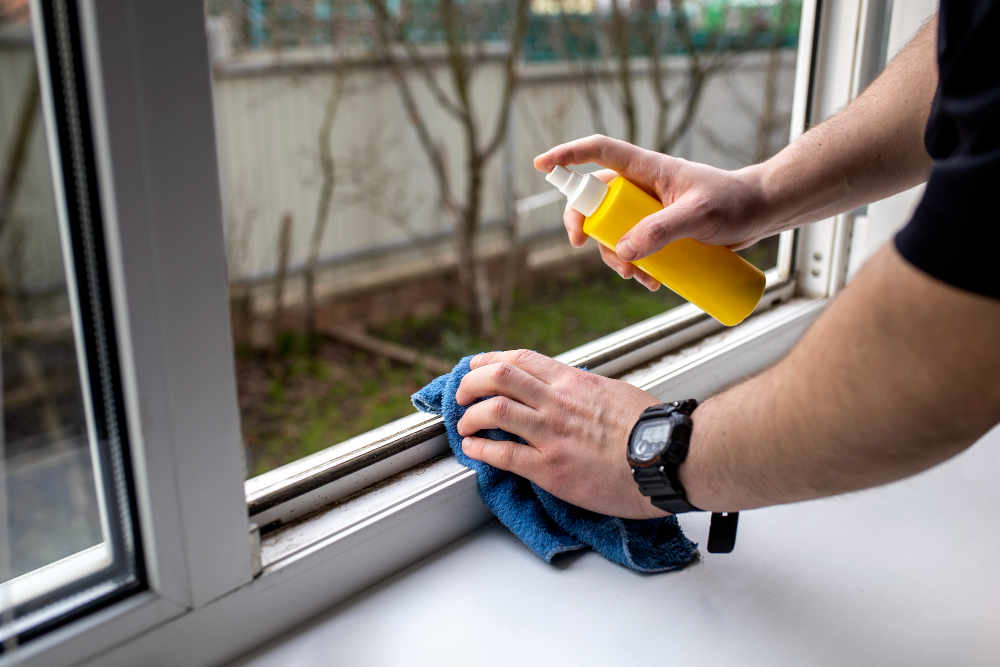
Regular cleaning can help to prevent discoloration by removing dirt, debris, and other substances that can accumulate on the surface of the material. Use a soft brush or cloth, and avoid harsh chemicals or abrasive materials that could scratch or damage the surface.

Protective coatings

Protective coatings can be applied to profiles to protect them from discoloration caused by environmental factors such as UV radiation, moisture, and chemicals. it’s provide a barrier between the profile and the environment, preventing discoloration and extending the lifespan of the material.

UV-resistant films

The film acts as a barrier between the profile and the UV radiation, absorbing or reflecting the harmful rays and preventing them from reaching the surface of the material. This helps to prevent discoloration, fading, and other damage that can be caused by UV radiation.

06

Types of profile discoloration

Fading

Fading is another common type of discoloration that can occur in profiles, particularly in materials exposed to the sun’s ultraviolet (UV) rays. This can occur in materials such as plastics, fabrics, and painted or stained wood.The UV rays in sunlight can cause the color pigments in these materials to break down, leading to fading or discoloration over time.

Chalking

Chalking is a type of discoloration that can occur in profiles, particularly in painted or coated materials. It is characterized by a powdery or chalk-like residue that can rub off on hands or clothing when touched.To prevent chalking in profiles, manufacturers may use high-quality coatings and paints that are resistant to UV radiation and environmental factors.

Yellowing

Yellowing can occur in a variety of materials, including plastics, fabrics, and painted or coated surfaces. In plastics, yellowing can be caused by the breakdown of plasticizers or other additives in the material.In fabrics, yellowing can be caused by exposure to sunlight or contact with certain chemicals. In painted or coated surfaces, yellowing can be caused by exposure to UV radiation or other environmental factors.

Staining

Staining is a type of discoloration that occurs when a material absorbs or reacts with a foreign substance, resulting in a change in color or appearance. This can occur in a variety of materials.To prevent staining in profiles, it is important to use materials that are resistant to the substances that are likely to cause staining, or to apply coatings or finishes that can protect the surface of the material.

07

Treatment of profile discoloration


  • Replacement options

The profile is part of a larger system or structure, it may be necessary to replace it with the same material and profile to maintain the integrity of the system. For example, if a vinyl siding panel is discolored and cannot be restored, it should be replaced with a new vinyl siding panel of the same color and profile.

WhatsApp Image 2023-12-19 at 3.04.49 AM

Cleaning methods

This is a simple and effective cleaning method that can be used for most materials. Mix a mild detergent with water and use a soft cloth or sponge to gently clean the profile. Rinse thoroughly with water and dry with a clean cloth.Abrasive cleaners can be used for more stubborn stains or discoloration, but they can also scratch or damage the profile. Use with caution and test on a small, inconspicuous area first.

Paint restoration

Before beginning the restoration process, it is important to clean the surface of the profile to remove any dirt, grime, or other contaminants that may be contributing to the discoloration. Use a mild detergent and water to clean the surface, and rinse thoroughly with clean water. Allow the profile to dry completely before proceeding.

YOUR NEXT PROJECT

Let’s Discuss Your Requirements.

Contact Us